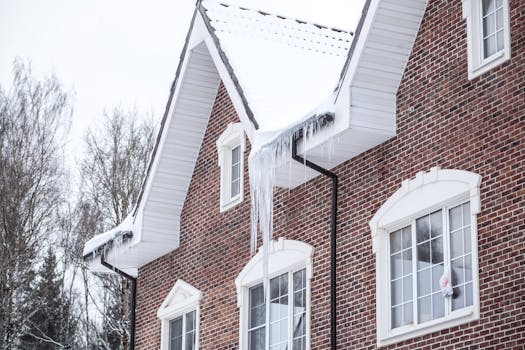
Beyond Just Sweaters: Smart Strategies for Cold Climate Home Improvements

Let’s be honest, when we think of “cold climate home improvements,” our minds often jump straight to thicker blankets and cranked-up thermostats. While those are certainly part of the equation, there’s a whole world of strategic upgrades that can make your home a true fortress against the frost, keeping you cozy and your wallet a bit heavier. Forgetting about these can mean enduring drafty rooms and unexpectedly high heating bills year after year. But what if I told you that with the right approach to cold climate home improvements, you can transform your living space into an energy-efficient haven?
Unmasking Your Home’s Winter Woes: Where Does the Cold Creep In?
Before we start diving into fancy solutions, it’s crucial to understand where your home is losing its precious heat. It’s like trying to fix a leaky boat without knowing where the holes are! Many homeowners assume it’s just the windows, and while they’re often culprits, they’re rarely the only problem.
#### The Sneaky Invaders: Air Leaks and Drafts
Think of air leaks as tiny, uninvited guests constantly letting the cold air in and the warm air out. These can be found in:
Around windows and doors: Even the best-sealed ones can have small gaps over time.
Electrical outlets and switch plates: These are surprisingly common entry points.
Attic hatches and basement doors: Areas that aren’t opened daily can be overlooked.
Where pipes or wires enter the house: Any penetration through an exterior wall.
Chimneys and fireplaces: When not in use, these can be major heat loss areas.
Identifying these leaks is the first, and arguably most impactful, step. You can often do this yourself by doing a simple “smoke test” with an incense stick on a windy day, or by feeling for drafts with your hand.
#### The Silent Killer: Inadequate Insulation
Insulation is your home’s cozy sweater, and in cold climates, you need a thick one! Many older homes were built with less insulation than we’d consider adequate today. Poor insulation in your attic, walls, and crawl spaces means heat will escape much faster, forcing your heating system to work overtime. This is a critical area for cold climate home improvements.
Beefing Up Your Home’s Defenses: Insulation and Air Sealing
Now that we know where to look, let’s talk about strengthening your home’s defenses. This is where you’ll see the biggest return on investment for staying warm and saving money.
#### Attic Insulation: The Crown Jewel of Cold Climate Comfort
Your attic is like the roof of your mouth – it’s the highest point, and heat naturally rises. If your attic isn’t properly insulated, all that warm air you’re paying to generate is literally flying out into the sky. Blown-in cellulose or fiberglass, or even rigid foam boards, can make a world of difference. I’ve seen attics transformed from chilly storage spaces into genuinely warm parts of the house with just a few feet of new insulation.
#### Sealing the Deal: Weatherstripping and Caulking
This might sound minor, but the cumulative effect of good weatherstripping and caulking is significant. Replacing worn-out seals around doors and windows is a DIY-friendly project that offers immediate results. For gaps around pipes or small cracks in the foundation, a good quality caulk will do wonders. Don’t underestimate the power of these simple fixes for your cold climate home improvements list!
Window Wisdom: Upgrading Your Views (and Your Warmth)
Windows are often the weakest link in a home’s thermal envelope. While replacing all your windows can be a hefty investment, it’s a game-changer for energy efficiency and comfort.
#### The Power of Double and Triple Panes
Newer windows typically feature double or even triple-pane glass with inert gas fills (like argon or krypton) between the panes. This creates a much more effective barrier against heat transfer than old, single-pane windows. Look for windows with a low U-factor (measures heat loss) and a high Solar Heat Gain Coefficient (SHGC) if you want to maximize passive solar heating in winter.
#### Not Ready for a Full Replacement? Consider Storm Windows
If a full window replacement isn’t in the cards right now, storm windows are a fantastic intermediate solution. They add an extra layer of insulation and help to significantly reduce drafts. They’re much more affordable than full replacements and can be installed on the inside or outside of your existing windows.
Heating System Savvy: Making Every Degree Count
Your heating system is the engine that keeps your home warm, so ensuring it’s running efficiently is paramount.
#### Regular Maintenance is Non-Negotiable
Just like a car, your furnace or boiler needs regular tune-ups. A qualified technician can ensure it’s running at peak performance, catch small issues before they become big problems, and even prolong its lifespan. This is a must-do for any serious cold climate home improvements plan.
#### Upgrading to High-Efficiency Models
If your heating system is more than 15 years old, you might be surprised by how much you can save by upgrading to a high-efficiency model. Modern furnaces and boilers are significantly more efficient, meaning they use less fuel to produce more heat. This can lead to substantial savings on your heating bills, making it a worthwhile long-term investment.
#### The Magic of Smart Thermostats
A smart thermostat is like a personal assistant for your heating. You can program it to lower the temperature when you’re asleep or away, and then bring it back up before you wake or return. Many can even learn your habits and adjust automatically. This simple tech upgrade can lead to surprising energy savings without sacrificing comfort.
Beyond the Big Stuff: Smaller Wins for Greater Warmth
Sometimes, the biggest impacts come from a collection of smaller, thoughtful changes.
Insulate your pipes: Especially those in unheated areas like basements or crawl spaces. This prevents heat loss and can help avoid frozen pipes.
Seal ductwork: Leaky ducts in your basement or attic can lose a significant amount of heated air before it even reaches your living spaces.
Use thermal curtains: Heavy, insulated curtains can add an extra layer of warmth to your windows at night and help block drafts.
* Consider a programmable thermostat: If a smart thermostat is too much, a programmable one still offers significant energy savings by automatically adjusting temperatures.
Wrapping Up: Invest in Lasting Comfort and Savings
Making cold climate home improvements isn’t just about surviving the winter; it’s about thriving in it. It’s about creating a home that feels like a warm embrace, no matter what the weather outside is doing. By focusing on insulation, air sealing, efficient windows, and a well-maintained heating system, you’re not just spending money – you’re investing in your comfort, your home’s longevity, and your financial well-being. These upgrades pay dividends year after year, turning your house into a truly resilient and energy-efficient sanctuary against the cold. So, why not start planning your home’s winter transformation today?